
Recycling
Screw conveyors for recycling and scrap processing
Recycled material is heterogeneous by definition. What arrives cannot be sorted in advance — the conveying system has to cope with it.
In many plants belt conveyors do the transport. They have two drawbacks inherent to their design: they run open, so the surroundings get dirty, and they can convey neither steeply nor vertically. Gaining height therefore means several belts in sequence — taking up space and adding one transfer point per change.
Our horizontal-vertical combinations cut the space required considerably, and because the material runs in closed tubes the surroundings stay clean.
The second requirement is metering. In separation and sorting plants every sorting step is only as good as the material flow reaching it. There the conveying system does not just transport, it paces the process.
Third comes wear: glass cullet, ash and metal fractions are highly abrasive. Depending on application and duty we work with carbide linings through to special surface coatings on tube, trough and spiral.
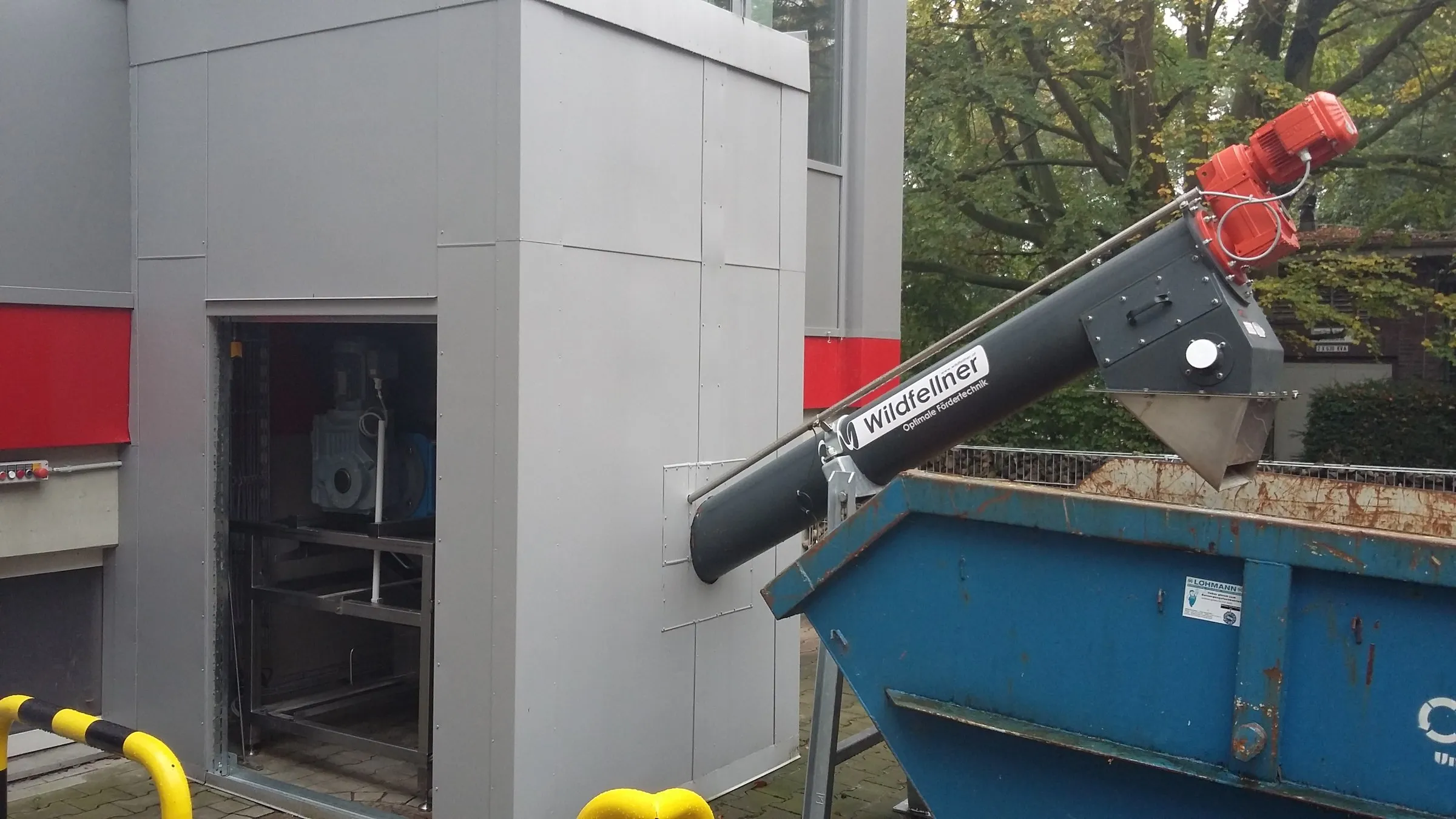
Typical materials — and what makes them difficult
- Electronic scrapcables and wires wrap around any shaft
- Waste glass and culletbulky and highly abrasive at the same time
- PET flakes and bottleslight, bulky, prone to interlocking
- Scrap and metal fractionsabrasive, inconsistent, heavy
Tasks we solve here
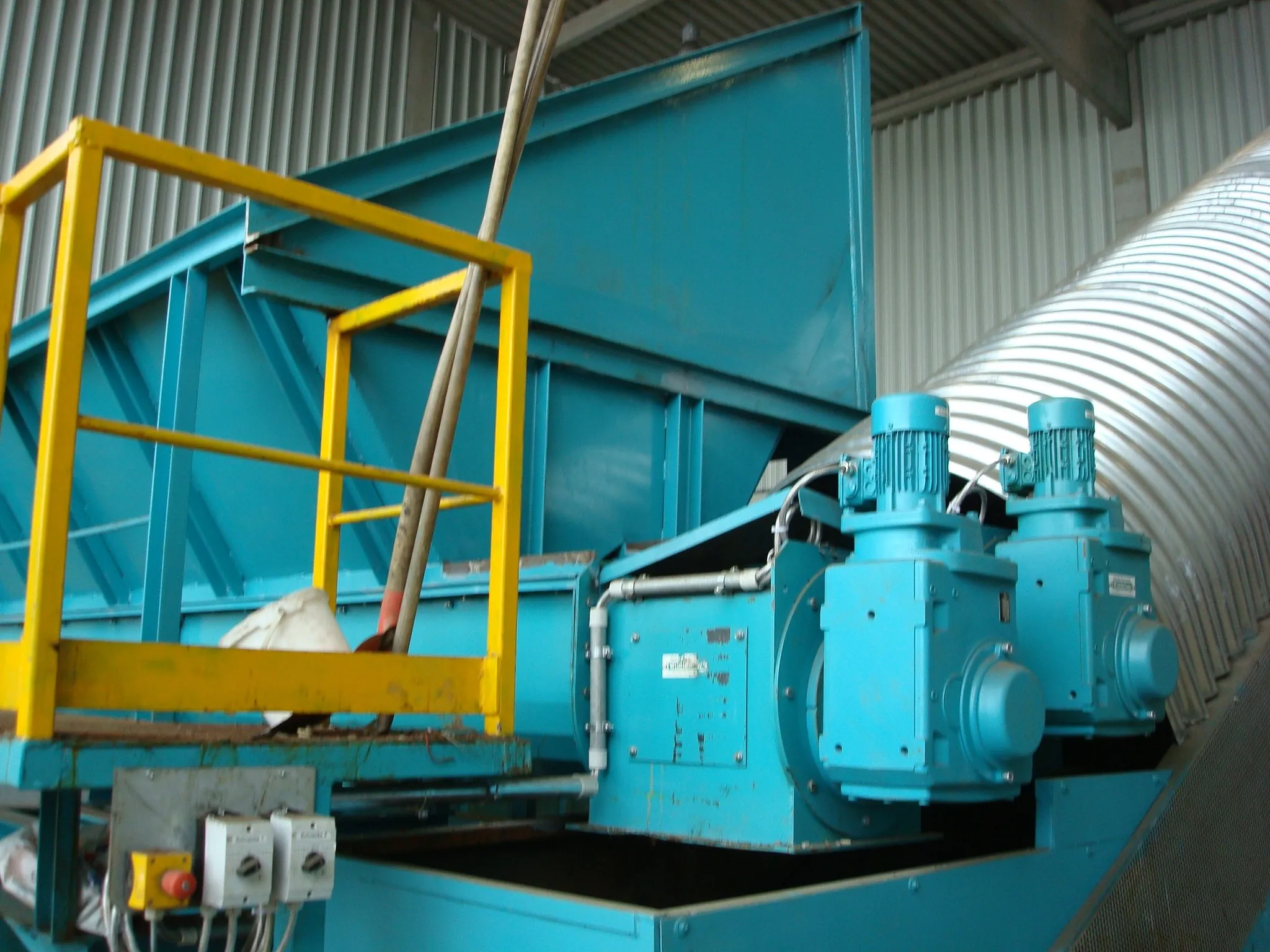 Electronic scrap conveyorsConveying and metering at once, in separation and sorting plants — with material that is abrasive in part.
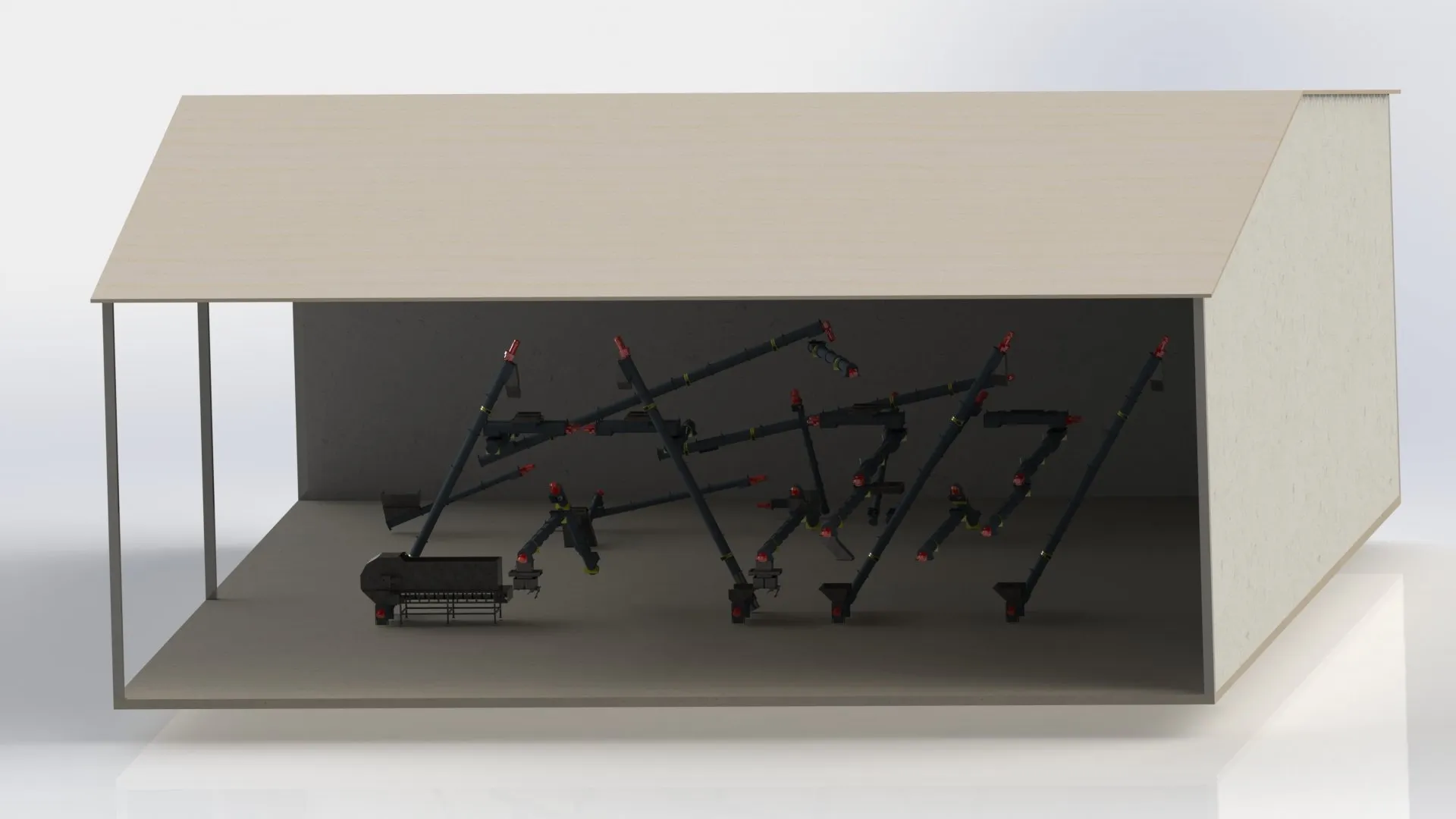 Treatment plants for scrapHorizontal-vertical combinations replace several belt conveyors — taking far less space, with enclosed routing.
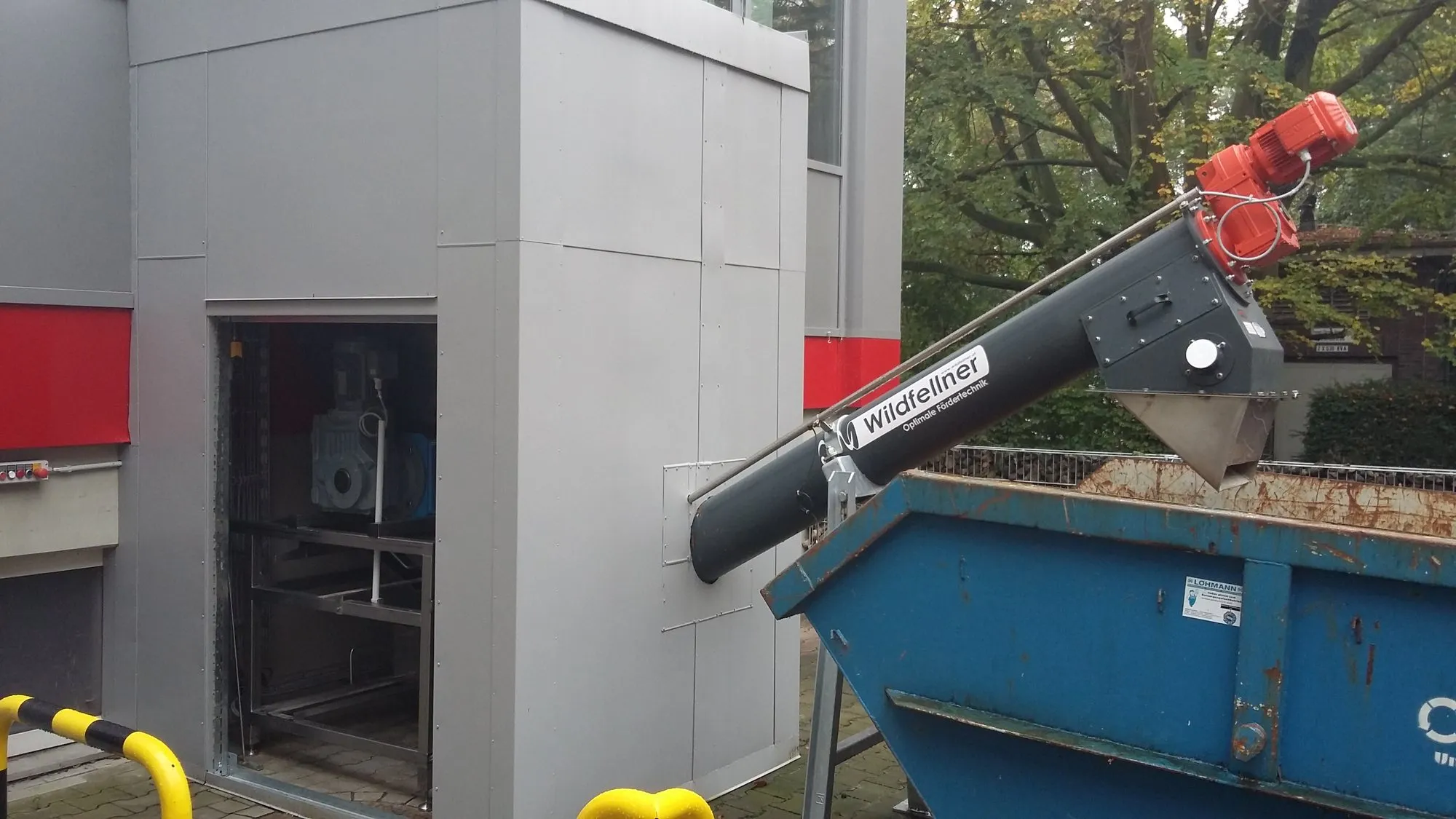 Glass conveyorsBulky and highly abrasive at the same time — carbide linings and surface coatings stand up to the wear.
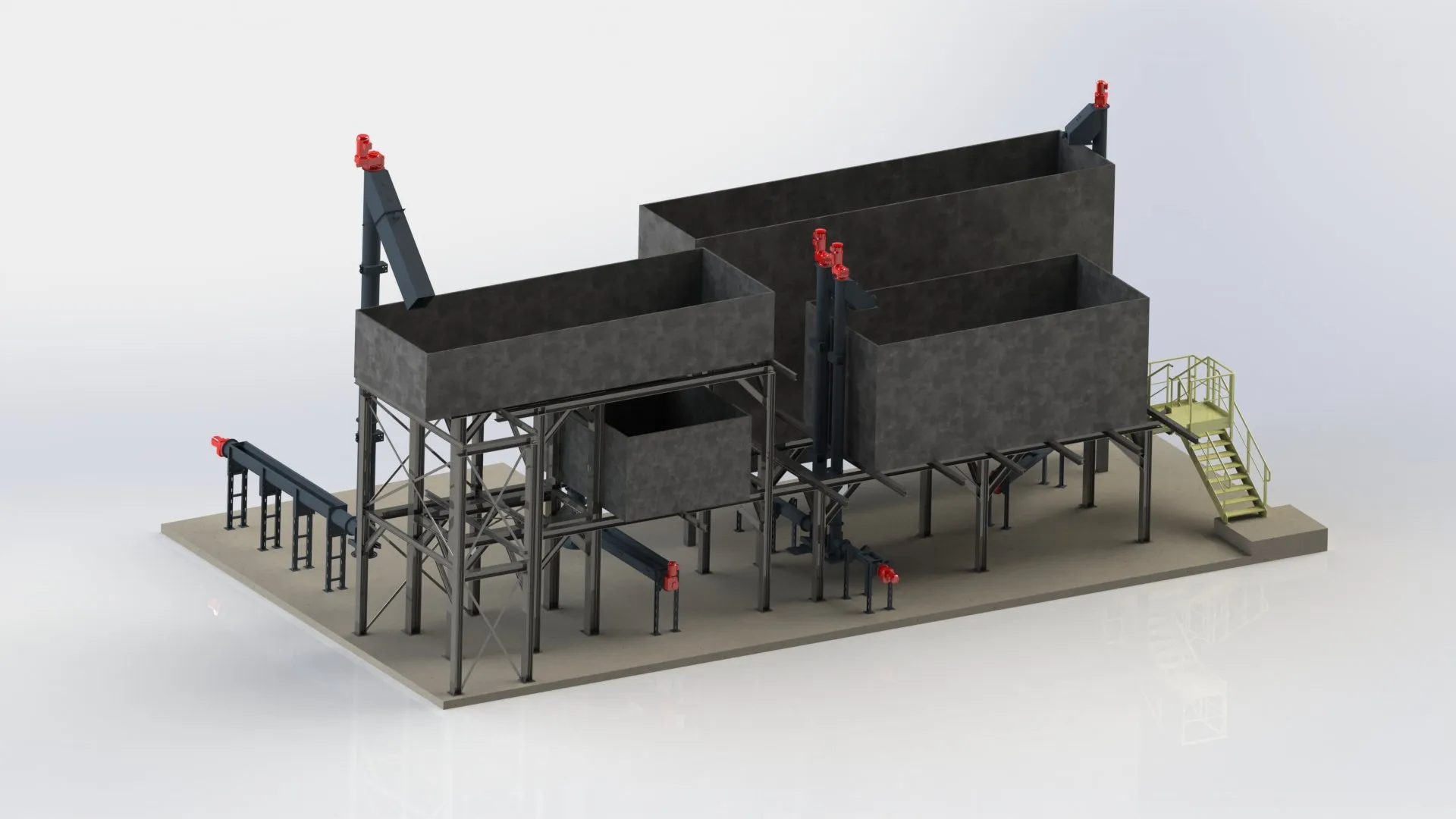 Conveyors for plasticsFrom granulate and regrind to PET flakes and whole bottles — as metering, machine feeding or discharge screw.
Häufige Fragen
Why are shaftless spirals suited to electronic scrap?
The material flow contains cables and wires — precisely what wraps around a centre shaft and blocks the cross-section. Without a shaft there is no axle for the material to wrap around.
How is wear from abrasive material addressed?
In stages according to application and duty: from carbide linings in tube and trough through to special surface coatings on tube, trough or spiral.
Your task in recycling?
Describe your material and your route — we normally reply within one working day.