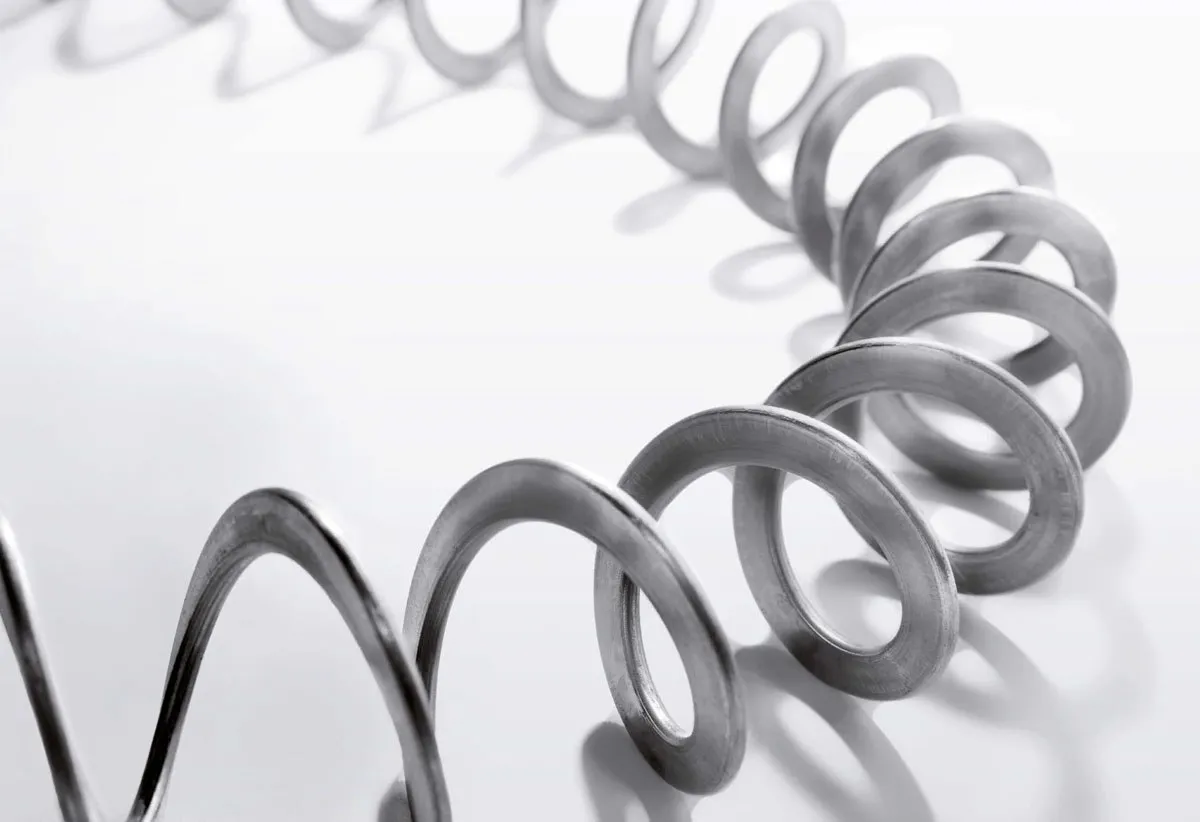
Shaftless spiral conveying since 1983

Where other conveyors clog, ours keep running.

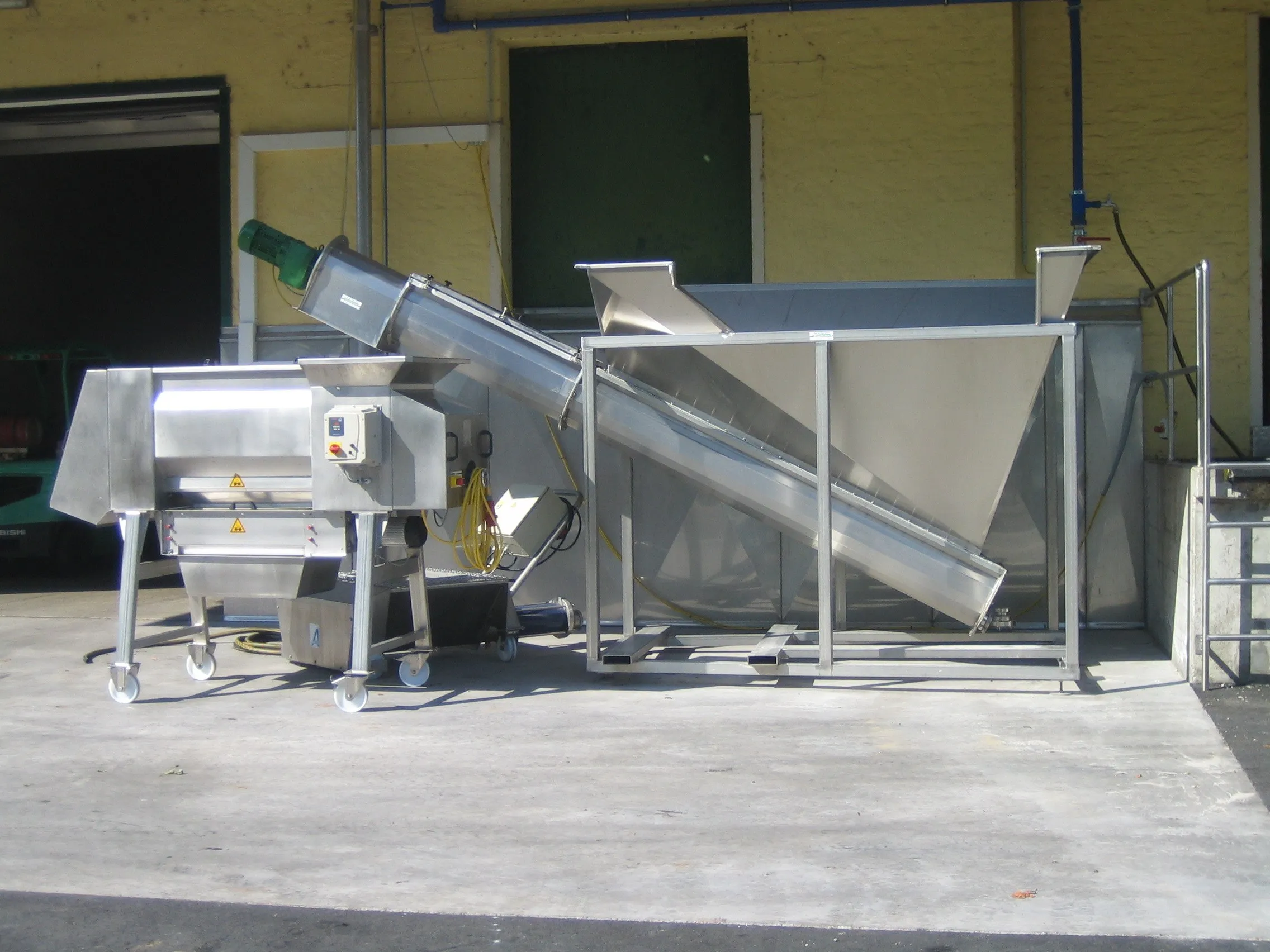
Our shaftless screw conveyor runs without a centre shaft. That shaft is exactly where conventional screw conveyors fail: fibrous, bulky and stringy material wraps around it until the conveyor blocks. We build the system that moves it anyway — purpose-built for your material and your route.

Design limits

What the spiral delivers

One operating principle across every size: our shaftless screw conveyors carry everything from metered trace quantities to power plant feeding.

Throughput
600 m³/hUp to, depending on bulk density and length
Vertical lift
28 mLongest built to date
Conveying length
over 100 mFlexible systems, beyond that with a transfer
Spiral diameter
30–700 mmSteel and stainless steel
Spiral sizes in stock
150Available at short notice
Experience in spiral building
46 yearsFamily-run since 1980

Guide values. The binding design follows from the material, the route and the requirement profile.

The principle

The difference is what is missing

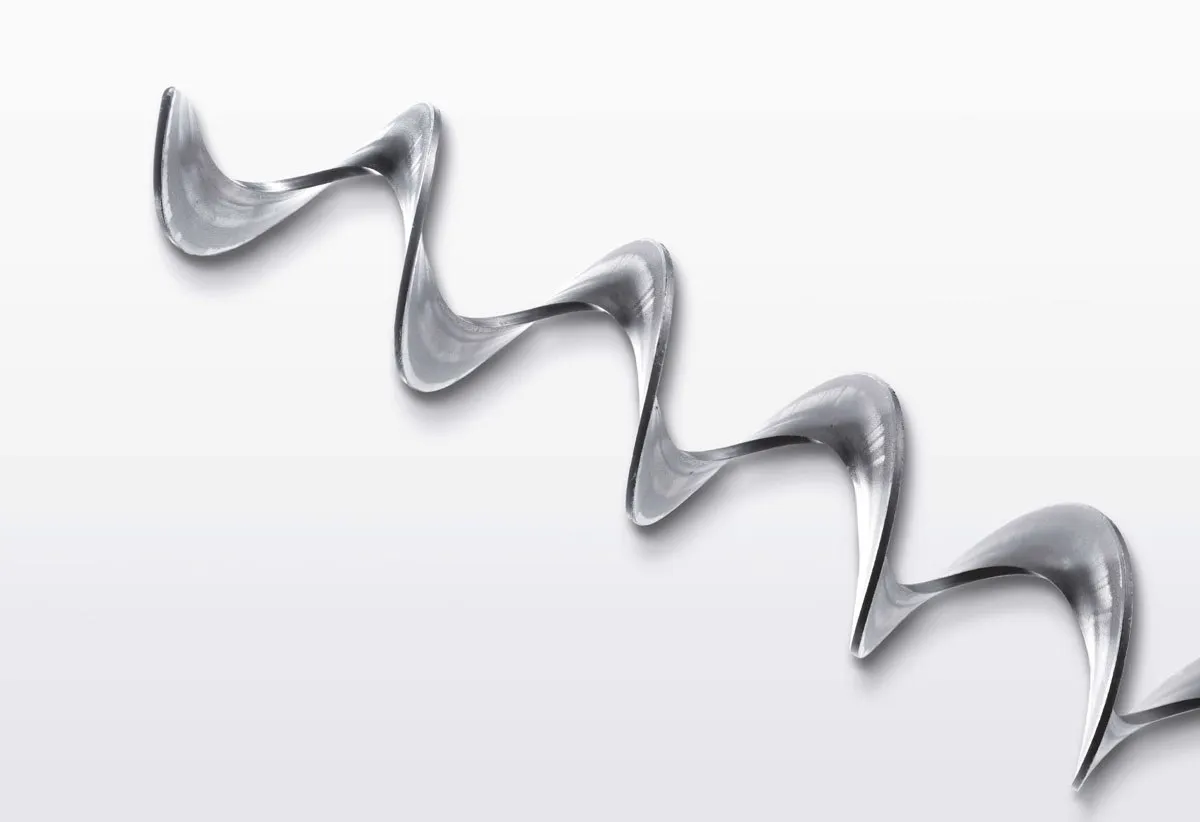
A conventional screw conveys material around a centre shaft. Anything that can wrap around that shaft eventually does: films, fibres, wires, cables, grape stems. Our spiral has no such shaft — shaftless, also called coreless. The cross-section stays clear.

Shafted screwMaterial wraps up, cross-section blocks
Wildfellner spiralClear cross-section, material passes through
  • 01

    Nothing wraps up

    Bulky items up to roughly 400 mm, fibrous and stringy material pass straight through instead of bringing the system to a halt.

  • 02

    Fewer points of wear

    Without a centre shaft there are no intermediate bearings in the trough — the usual maintenance points of a long screw simply do not exist.

  • 03

    Gentle on the material

    The spiral pulls and pushes the material rather than cutting it. For pellets and anything else that must not be damaged, that is the difference between product and breakage.

  • 04

    Enclosed and quiet

    Guided in a tube or a covered trough: virtually dust-free, low-noise and energy-efficient.

  • 05

    Built around the site

    The system follows the building, not the catalogue. Length, incline and changes of direction are set by what is already there.

Routing

Your route sets the shape — not the catalogue

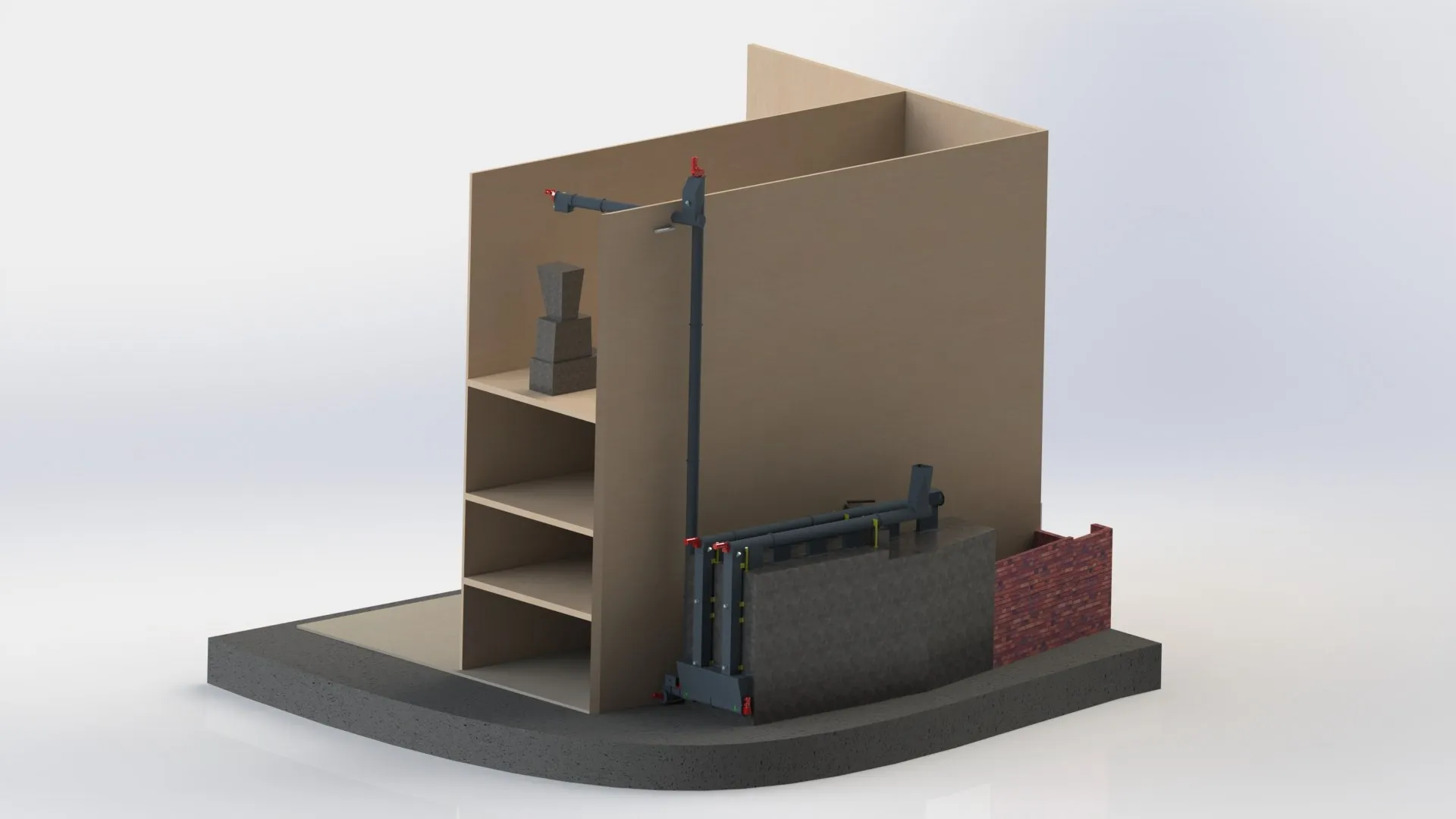
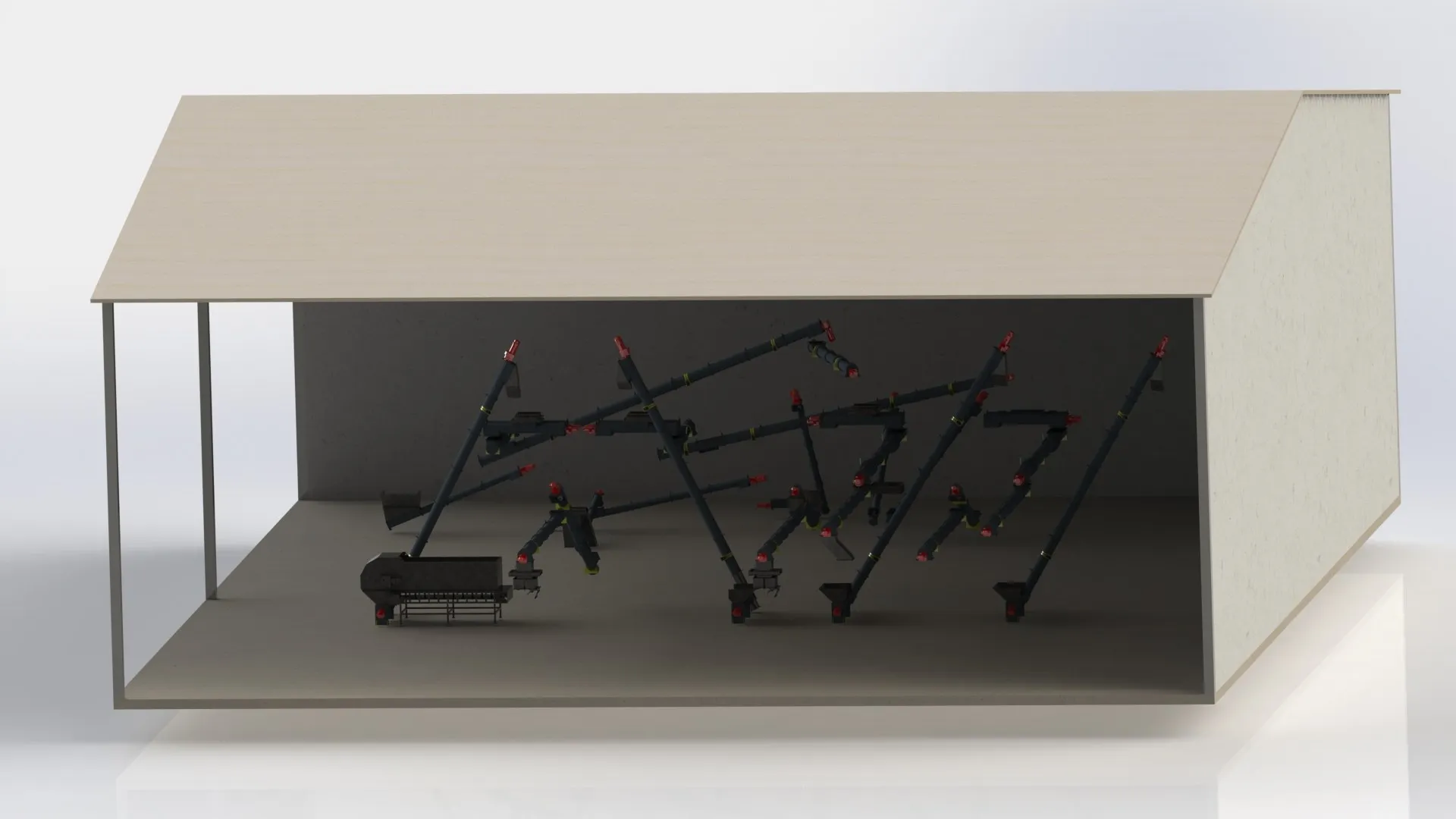
Because the spiral is flexible, the conveying line follows the building instead of the other way round. Horizontal, through bends, rising — usually as one continuous system without transfer points. The route shown applies to the flexible design, Type SL(N).

0102030405
  1. 01

    Intake

    From a bunker, silo, moving floor, container or straight out of the process. The inlet geometry follows your bulk material.

  2. 02

    Horizontal run

    Trough or tube conveyor. The run is effectively endless: if it grows too long for the chosen spiral type, a transfer carries it on to the next section.

  3. 03

    Bends instead of transfers

    On Type SL(N), changes of direction run through tube bends within the same line — every transfer point saved is one fault source fewer. The rigid Type RL(N), by contrast, stays straight; there a change of direction needs a transfer.

  4. 04

    Incline and vertical

    Rising sections continue in the same line. Vertical conveyors up to 28 metres are built as the rigid Type RL(N).

  5. 05

    Discharge

    Into a boiler, press, silo, container or downstream system — metered, continuous or in intervals.

Two designs

Rigid or flexible

Both spiral conveyors work without a centre shaft. The choice follows from particle size, throughput and the bend radius your route requires.

Type RL(N)

Robust augers

The rugged one

Rigid shaftless conveying spirals in steel or stainless steel for large volumes and bulky material. Built as a tube or trough conveyor.

Diameter
50–700 mm
Throughput
up to 600 m³/h, depending on bulk density
Item length
up to approx. 400 mm
Duty
up to 8,700 h/year

Type SL(N) / KL(N)

Flexible augers

The adaptable one

Flexible spirals in tube systems of steel, stainless steel or plastic. For powders, granulates, dusts and pellets — including awkward routes.

Diameter
55–125 mm
Conveying length
endless, with a transfer per spiral type
Particle size
up to approx. 45 mm
Routing
through tube bends

The full type ranges with lengths, throughputs and motor ratings are on the product pages.

View all type ranges

From practice

Systems that have run for years

Almost every system we build is one of a kind. Three examples showing how far apart the tasks can be.

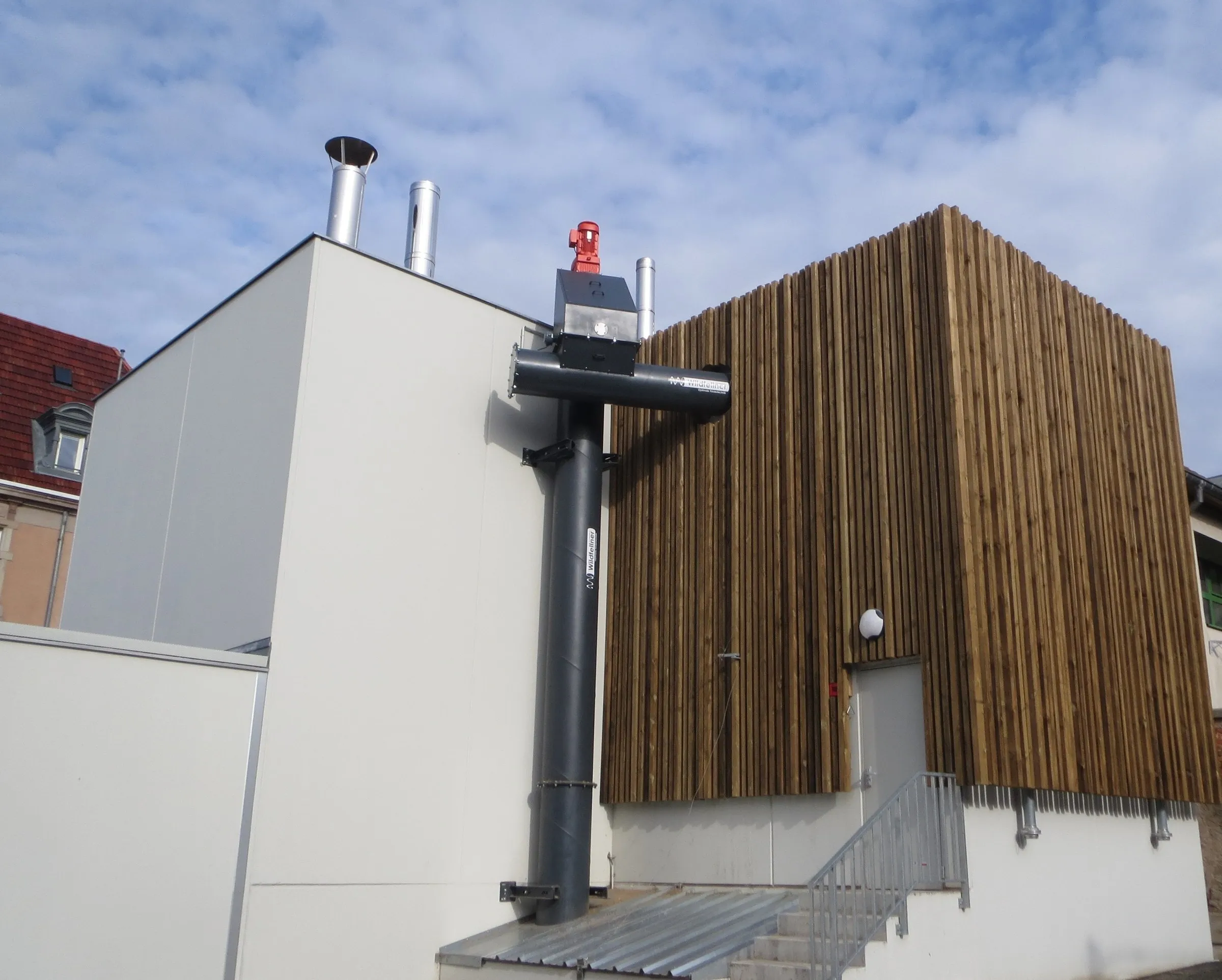
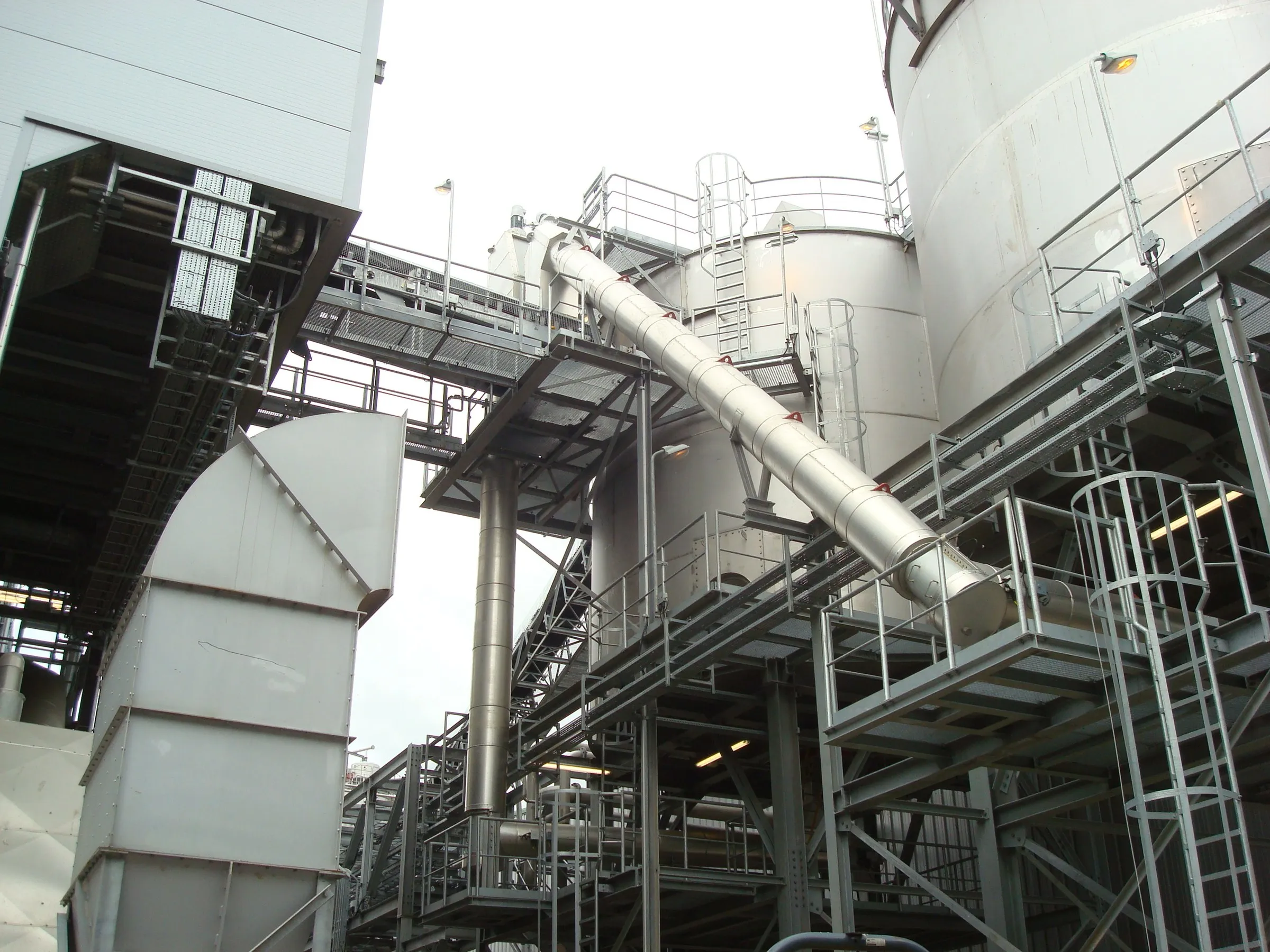
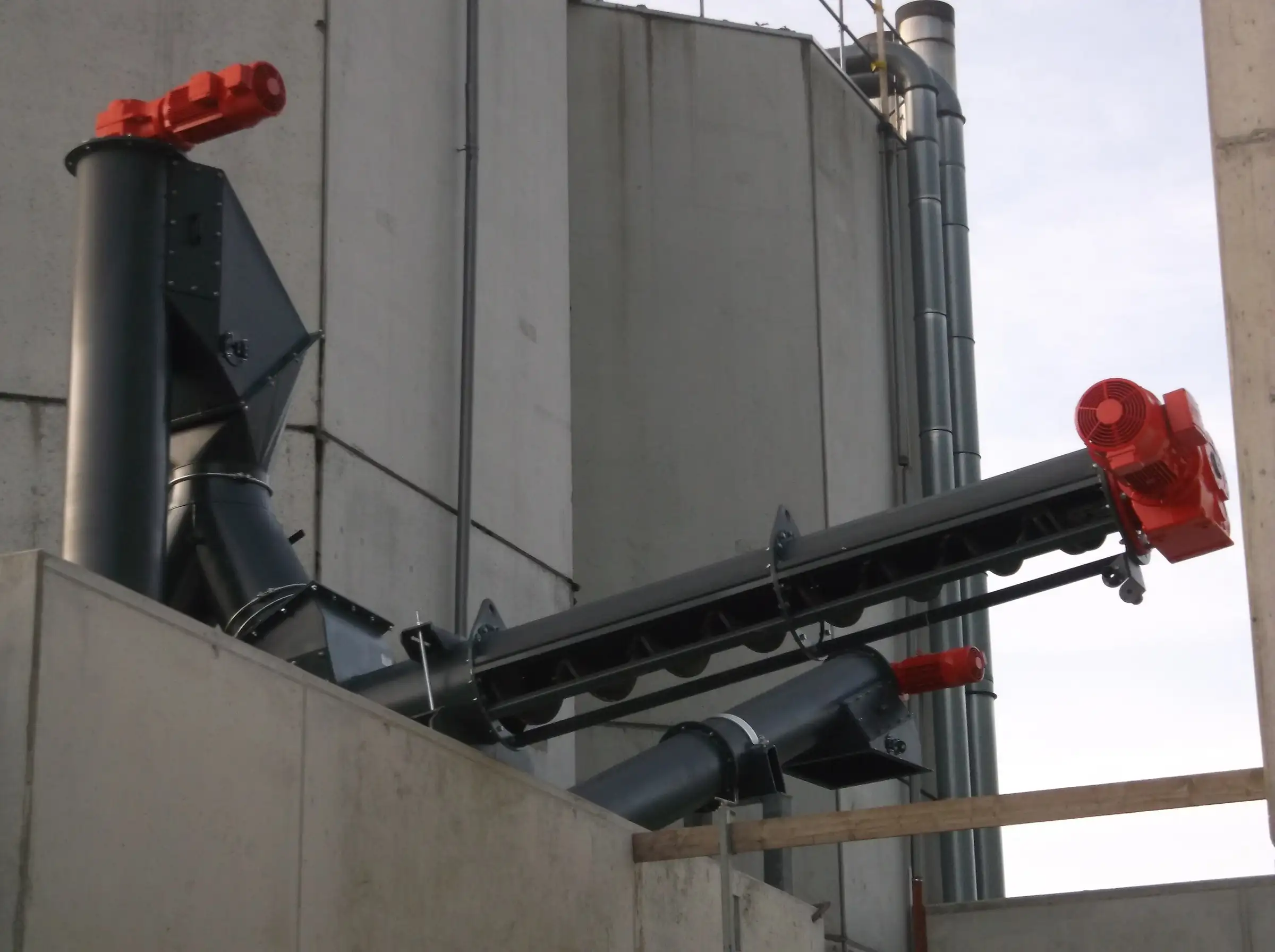
  • Vertical bunker conveyor for hog fuel over 20 metres high
    20+ mLift

    Bunker filling over 20 metres

    Vertical conveying of hog fuel into a high bunker — no transfer station, one continuous shaftless spiral.

  • Conveying system for sewage sludge and refuse-derived fuel
    fibrousMaterial

    Sewage sludge, reject and RDF

    Sticky, fibrous material with sharply varying moisture — the task conventional screw conveyors typically fail at.

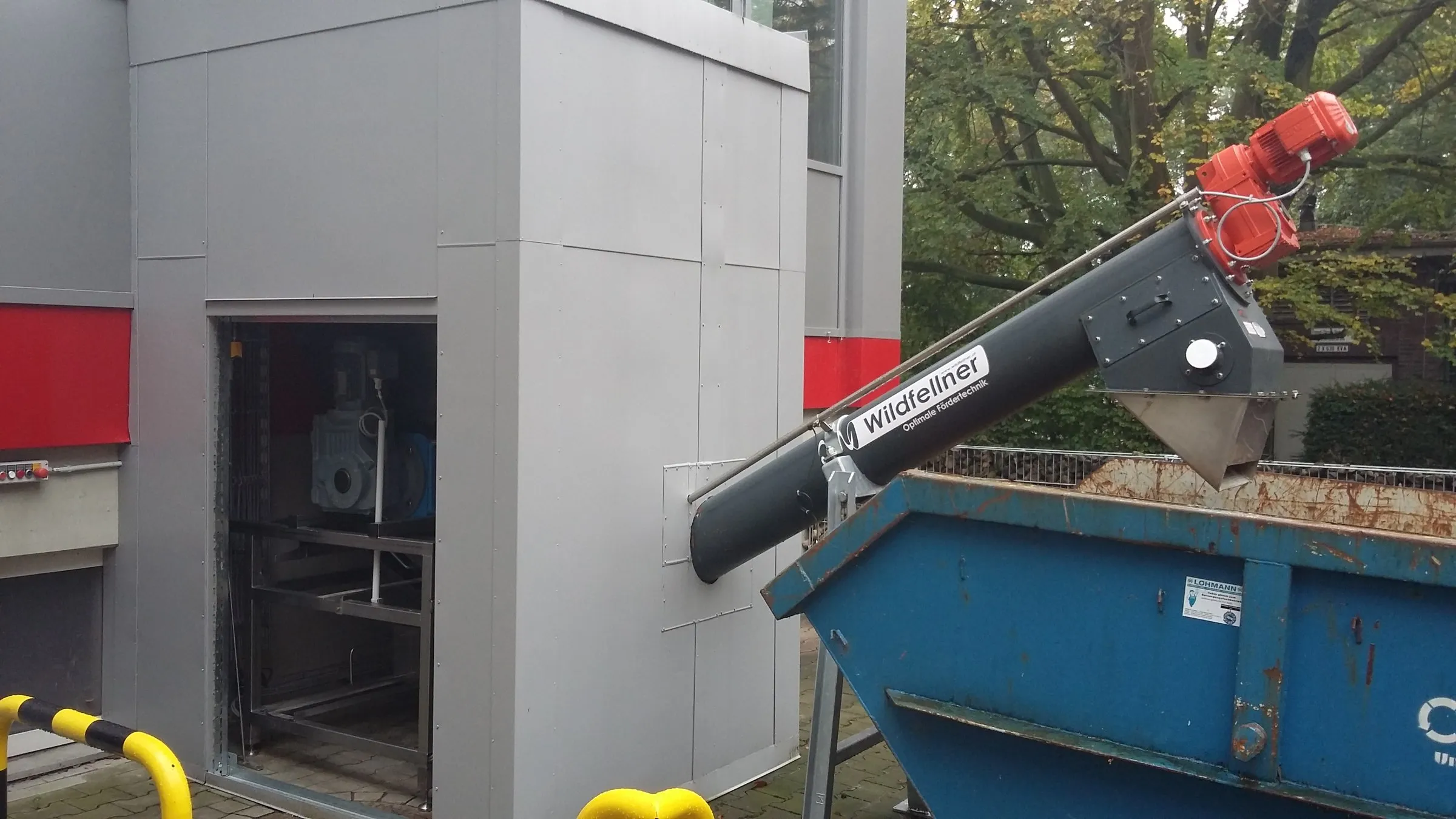
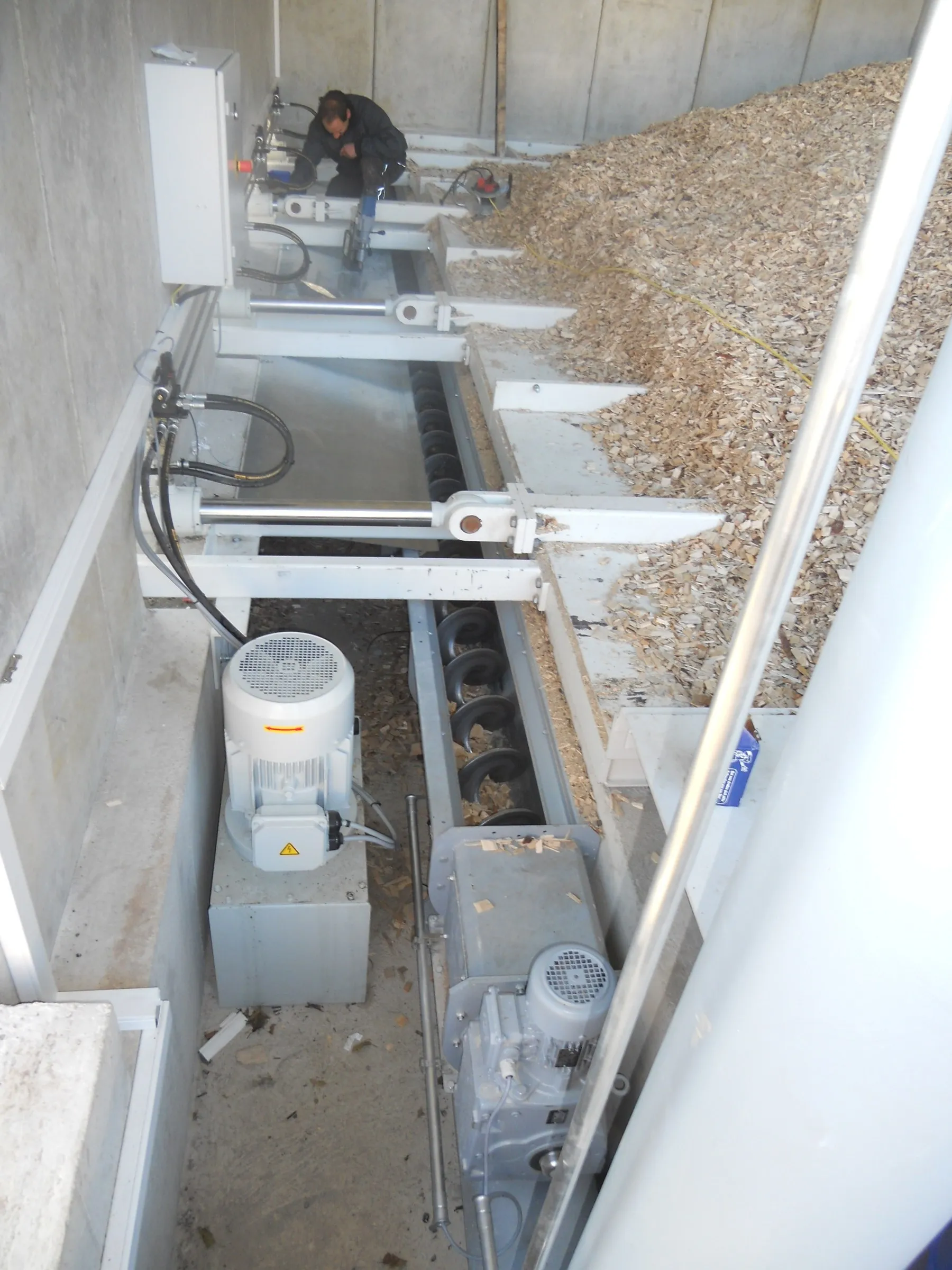
  • Discharge screw at a moving floor
    continuousOperating mode

    Moving floor discharge

    Taken directly off the moving floor and passed on to boiler feeding — continuous and metered.

View all applications

The company

Shaftless conveying technology from Austria

Wildfellner has designed and built in Buchkirchen near Wels since 1980. We are the Austrian market leader for shaftless conveying technology and supply far beyond the German-speaking countries: exports account for 50 to 60 percent.

  • Consulting, design, engineering, manufacturing, installation and service from one source
  • Almost every system a custom build, developed together with the customer
  • Own manufacturing in Upper Austria, worldwide dealer network
More about us

Auf einen Blick

Gegründet
1980
Geschäftsführung
Herta Wildfellner
Standort
Buchkirchen, Oberösterreich
Exportanteil
50–60 %
Fertigung
im eigenen Haus

Inquiry

Questionnaire for your conveying task

For a sound budget quotation we need your material and your route. The more precise your figures, the more precise our proposal — only a few fields are required, everything else helps us with the design.

Prefer to talk? Give us a call and we will go through the questionnaire together.

+43 7242 28110‑0office@wildfellner.at

This questionnaire is the basis for the quotation. Responsibility for the accuracy of the information rests solely with the person providing it.

  1. 1Material
  2. 2Properties
  3. 3System
  4. 4Contact
Material

What needs to be moved? For example wood chips G30, pellets, grape pomace, electronic scrap.

Required: without a quantity no size can be calculated. A rough figure is enough.

h per year
Operating mode